
Forex signals have become a popular resource for traders looking to identify potential opportunities in the currency market. They provide trading suggestions based on market analysis, technical indicators, and other factors. However, not all signal providers offer the same level of service, accuracy, or transparency. Choosing the right provider requires more than simply looking at advertised profit figures. Before subscribing to a forex signals service, traders should compare several important features.
Best Forex Signals: Features Traders Should Compare
Let’s see:
1. Signal Accuracy and Historical Performance
One of the first things to examine is a provider's trading history. Historical performance can offer an indication of how its signals have performed under different market conditions. Traders should look for verified trading records rather than relying entirely on promotional claims.
Win rates should also be considered alongside average profits, losses, drawdowns, and risk-to-reward ratios. A high win rate does not necessarily indicate a profitable strategy if losing trades are significantly larger than winning ones.
2. Clear Entry and Exit Instructions
A useful forex signal should provide enough information for traders to understand and execute the suggested trade. This generally includes the currency pair, entry price, stop-loss level, and take-profit targets.
Some providers also explain the reasoning behind their recommendations, including technical patterns or relevant market developments. Clear instructions help traders assess the opportunity instead of blindly following a trading suggestion.
3. Market Coverage and Trading Strategies
Signal providers differ in the markets and strategies they cover. Some concentrate on major currency pairs such as EUR/USD and GBP/USD, while others include minor and exotic pairs.
Traders should consider whether the provider's coverage matches their trading interests. It is also worth checking whether signals focus on scalping, day trading, or swing trading, as each approach requires different levels of market monitoring and time commitment.
4. Delivery Channels and Updates
The speed and reliability of signal delivery can influence execution, particularly in short-term trading. Providers commonly distribute recommendations through Telegram, email, mobile applications, or dedicated platforms.
Traders should compare notification speed, service availability, and whether updates are provided when market conditions change or a trading setup becomes invalid.
5. Pricing and Subscription Conditions
Forex signals are available through both free and paid services. Paid subscriptions may offer additional analysis, broader market coverage, or more frequent recommendations, but a higher price does not guarantee better results.
Before subscribing, traders should examine membership fees, billing frequency, cancellation policies, trial periods, and any additional costs.
6. Transparency and Risk Management
Reliable providers should communicate the risks associated with their recommendations. Traders should be cautious of services promising guaranteed profits or claiming that losses are impossible.
Risk management information, realistic performance reporting, and clear explanations of potential drawdowns are important indicators when comparing providers.
Making an Informed Choice
The best forex signals service is not necessarily the one advertising the highest returns or sending the most recommendations. Traders should evaluate performance transparency, trade instructions, market coverage, delivery methods, pricing, and risk management together.
Ultimately, forex signals should support independent trading decisions rather than replace them. Traders remain responsible for evaluating each opportunity, managing exposure, and understanding the risks involved in leveraged currency trading.
Lastly, if you understand that forex signals can boost your trading activities and accuracy, FXMA is here to make your dreams come true.
Also, read our other Blogs to learn more about Forex Signals.

Related items
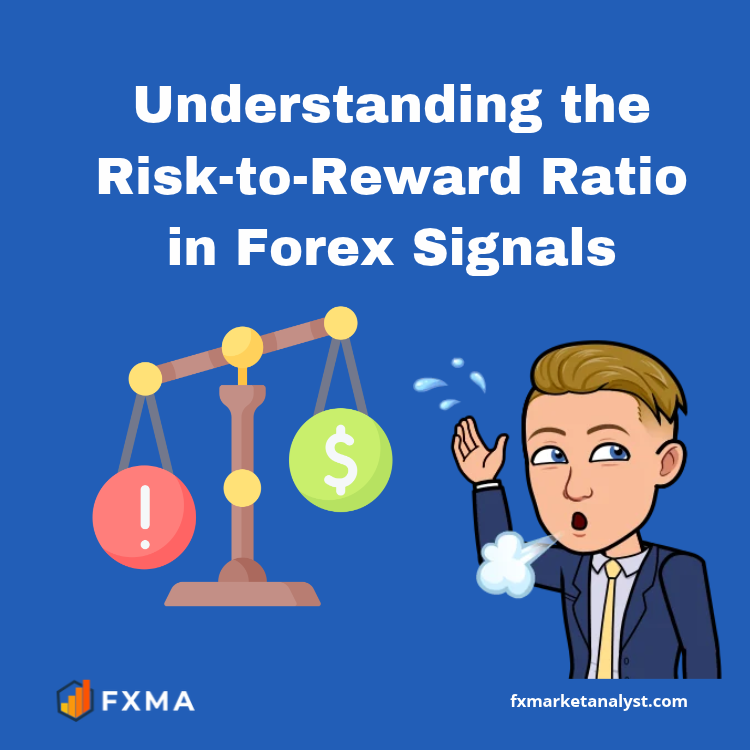
Forex signals provide traders with potential entry and exit points based on market analysi
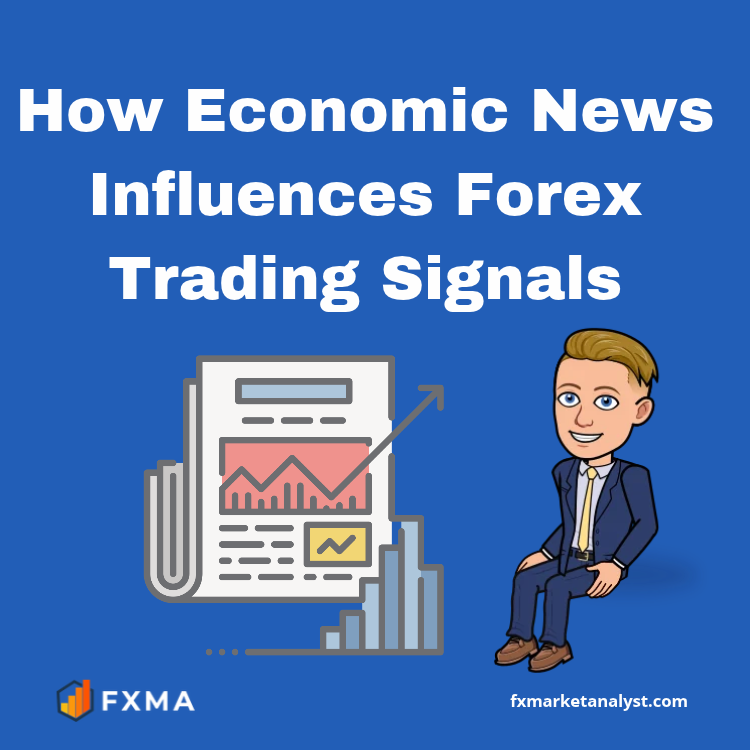
Economic news plays an important role in forex trading because it influences interest rate
Forex signals help traders identify potential buying and selling opportunities in the fore