
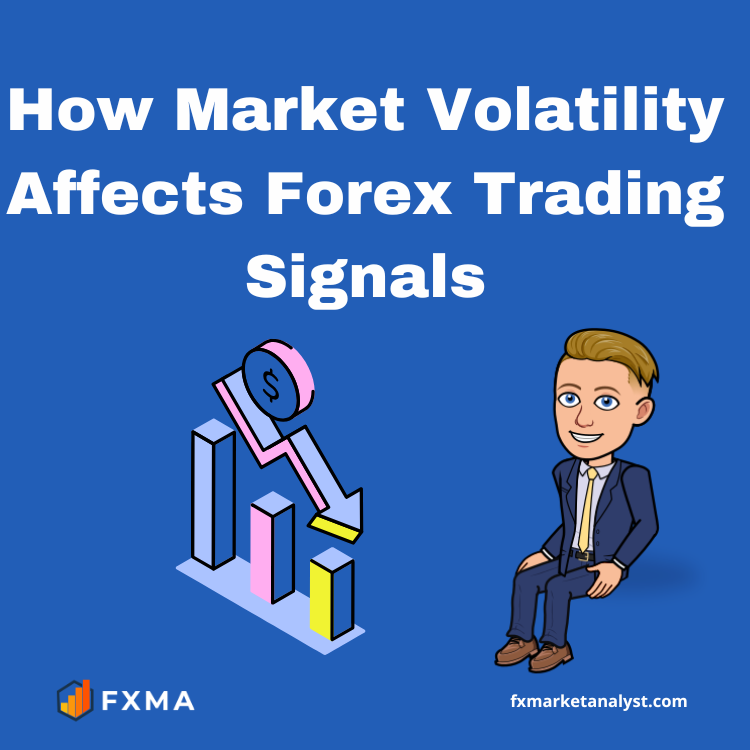
Market volatility is one of the biggest factors influencing forex trading signals. When currency prices move sharply, signals can appear more frequently, but the increased number of opportunities also comes with greater uncertainty. Understanding how volatility changes signal behaviour can help traders interpret entries, stop-loss levels, and profit targets more carefully.
Why Market Volatility Matters for Forex Signals
Forex signals are generally built around market conditions such as price movements, technical indicators, support and resistance levels, and momentum. During periods of low volatility, currency pairs may trade within relatively narrow ranges. Signals generated in these conditions can focus on smaller price movements and tighter targets.
When volatility increases, however, price movements can become larger and faster. A currency pair may reach an entry level quickly and then move significantly within a short period. This can create more trading opportunities, but it can also make signals less predictable.
Volatility Can Change Stop-Loss and Take-Profit Levels
One of the clearest effects of volatility is on risk parameters. A stop-loss that may be appropriate during a calm market could be triggered much more easily during a highly volatile session.
Signal providers may therefore adjust stop-loss distances and profit targets according to current market conditions. Traders following signals should pay attention to the relationship between the potential reward and the amount being risked rather than focusing only on the entry price.
News Events Can Create Sudden Signal Changes
Economic announcements are another major source of volatility. Interest-rate decisions, inflation data, employment reports, and central-bank statements can cause substantial movements in currency markets.
A signal generated shortly before a major announcement may become outdated quickly if the market reacts differently than expected. Traders therefore need to consider the economic calendar alongside technical signals.
Avoiding Overreliance on Signal Frequency
Higher volatility can produce more signals, but more signals do not automatically mean more suitable trading opportunities. Rapid price movements can generate false breakouts, sudden reversals, and slippage between the quoted entry price and the actual execution price.
For this reason, traders can benefit from treating signals as part of a broader trading process rather than as automatic instructions. Checking market conditions, volatility levels, upcoming news, and risk exposure can provide additional context before entering a position.
Ultimately, volatility does not make forex signals inherently better or worse. It changes the environment in which those signals operate. Traders who understand that difference can evaluate signals more carefully and adjust their risk management to match changing market conditions.
Lastly, if you understand that forex signals can boost your trading activities and accuracy, FXMA is here to make your dreams come true.
Also, read our other Blogs to learn more about Forex Signals.

Related items
Forex signals can help traders identify potential entry and exit opportunities, but follow
Forex trading signals can help traders identify potential entry and exit opportunities, bu

Building a Forex trading strategy from scratch is less about finding a magical indicator a