

Price action trading has become one of the most respected trading methods in the forex market. Instead of relying on lagging indicators, price action traders study candlestick formations, support and resistance levels, market structure, and trend direction to make trading decisions. While many traders believe that forex signals and price action are separate approaches, combining the two can create a more informed and disciplined trading strategy. Forex signals should not replace a trader's own analysis. Instead, they can serve as an additional layer of confirmation that helps identify high-probability opportunities.
How Price Action Traders Can Benefit from Forex Signals
Let’s explore:
Confirming Price Action Setups
One of the greatest advantages of using forex signals is confirmation. If a trader identifies a bullish pin bar at a major support zone and receives a buy signal for the same currency pair, the combination can strengthen confidence in the trade.
Likewise, if a sell signal aligns with a bearish engulfing pattern near a resistance level, it may reinforce the trader's analysis. When multiple factors point in the same direction, the quality of the setup often improves.
Saving Time While Scanning Markets
Analyzing dozens of currency pairs every day can be time-consuming. Forex signals help narrow the focus by highlighting markets that may be approaching potential trading opportunities.
Instead of constantly monitoring every chart, price action traders can review the signals they receive and perform their own analysis to determine whether the setup meets their trading criteria. This approach improves efficiency without sacrificing independent decision-making.
Enhancing Risk Management
Risk management is essential for long-term trading success. Many forex signals include predefined stop-loss and take-profit levels that can serve as useful reference points.
Even if a trader adjusts these levels based on price action analysis, comparing personal calculations with those provided in the signal can lead to more balanced risk management decisions and prevent emotional trading.
Learning Through Market Examples
Forex signals can also be valuable educational resources. By studying why a signal was generated and comparing it with chart patterns, traders can improve their understanding of market behavior.
Repeated exposure to real trading setups helps traders recognize breakout patterns, pullbacks, trend continuations, rejection candles, and reversal formations more effectively over time.
Filtering Out Weak Signals
Price action traders have a natural advantage when evaluating forex signals because they can validate them using chart analysis. If a signal recommends buying directly below a major resistance level or selling into strong support without confirmation, traders can choose to avoid it.
This filtering process reduces dependence on signal providers and encourages a more disciplined trading approach.
Improving Trading Discipline
Many traders struggle with overtrading and emotional decision-making. Using forex signals as a secondary confirmation tool can encourage greater patience by limiting trades to situations where both the signal and the trader's own analysis agree.
Waiting for this alignment often results in fewer but higher-quality trading opportunities, which can contribute to more consistent long-term performance.
Price action trading and forex signals can work together effectively when used correctly. Rather than replacing chart analysis, forex signals can highlight opportunities, confirm technical setups, and support better risk management.
The most successful traders treat forex signals as an additional source of information while relying on their own understanding of price movement to make final decisions. By combining independent analysis with carefully selected signals, traders can build a strategy that emphasizes discipline, confidence, and consistency in the forex market.
Lastly, if you understand that forex signals can boost your trading activities and accuracy, FXMA is here to make your dreams come true.
Also, read our other Blogs to learn more about Forex Signals.

Related items
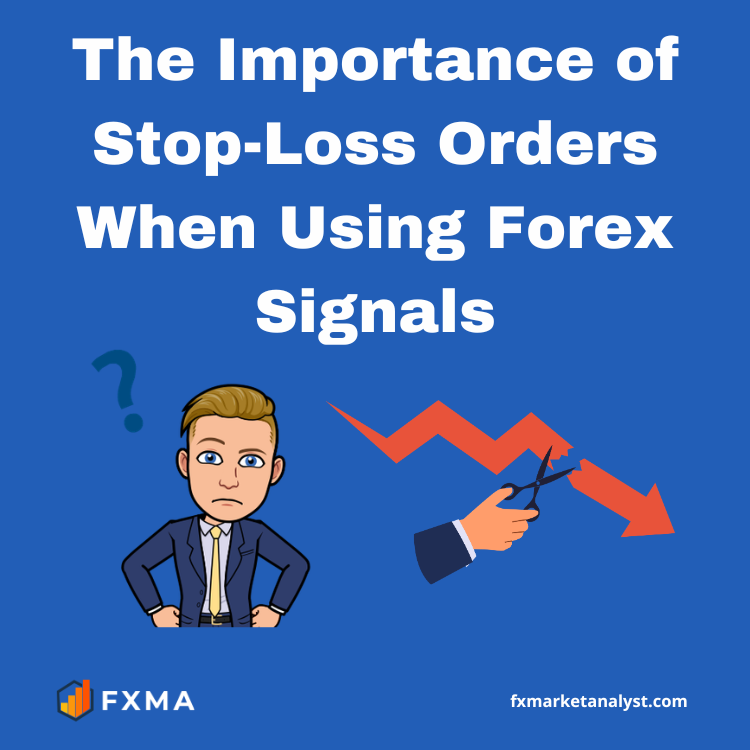
Forex signals can help traders identify potential entry and exit opportunities, but follow
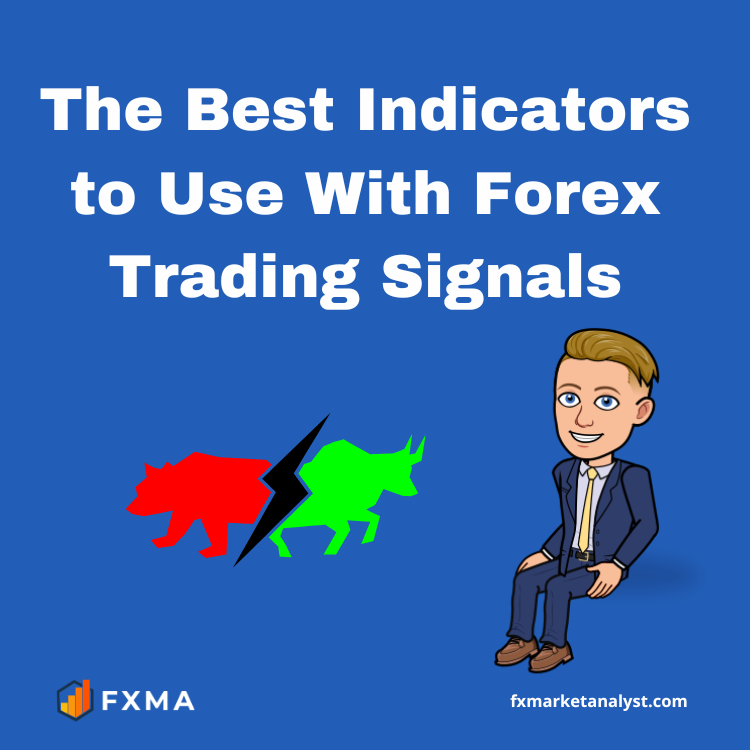
Forex trading signals can help traders identify potential entry and exit opportunities, bu

Building a Forex trading strategy from scratch is less about finding a magical indicator a